The model can be wrong. The world keeps the record.
Taniwha is an applied AI research lab. We investigate how AI can remain useful inside systems where truth, authority and consequence exist independently of the model.
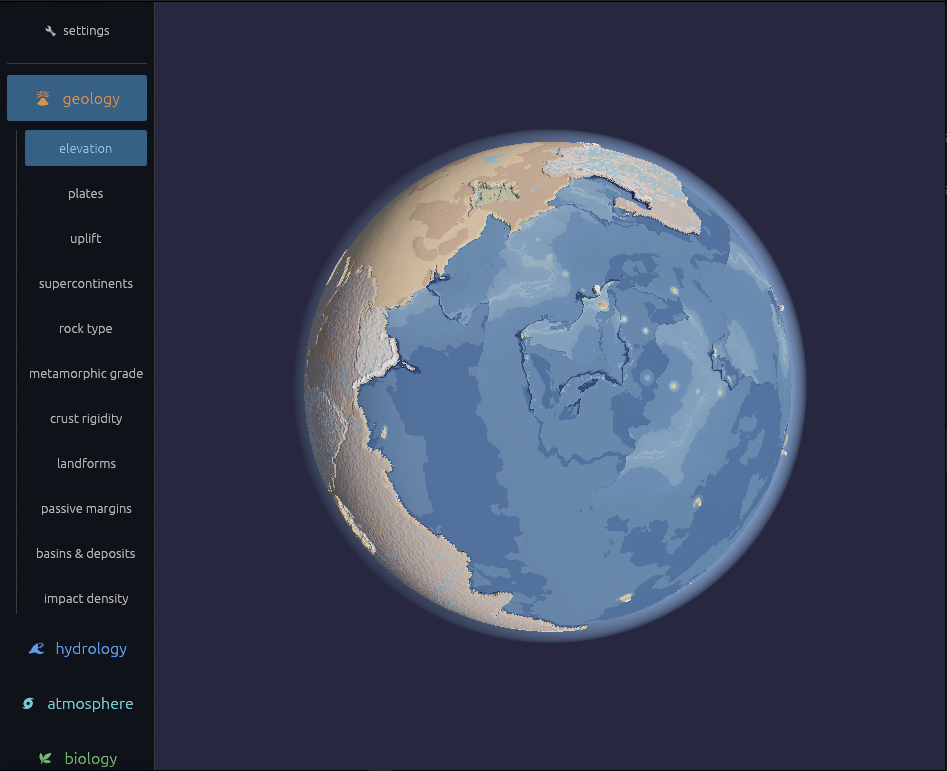
01 · Watch
Open the settlement
Two minutes, no account. A world of thirty-seven minds accepting, deriving and refusing in public.
Watch Copperhollow →02 · Read
The measured result
The plain-language read of the current result, with the note and its evidence one click on — negative results left in.
Read the result →03 · Use
Install what ships
Ārai, if your coding agent read the rules and did it anyway. Hīkoi, if you want a world on your own machine.
See what ships →The latest result
History-grounded reference in language-model agents
Two agents that worked twelve days together came to refer to one of two identical cisterns by what had happened to it, and the partner understood. A stranger with a different history confidently chose the wrong cistern, and which history a receiver needed depended on what the note referred to. Telling a receiver to treat a supplied correspondence as authoritative restored understanding across histories — and carried a wrong correspondence just as completely.
What this is not
The tested models and one small task only. The dimension result is formal on one model family and descriptive on a second; the authority result is one carrier, one corpus of cases and one frozen instruction pair. The repair study’s own formal verdicts were inconclusive under its floors, and that is reported as such.
How it works
Three planes. One thesis.
We investigate how artificial intelligence can remain useful inside systems where truth, authority and consequence exist independently of the model.
Ground
EVIDENCEDA world the model cannot overwrite.
In the programme this is epistemic containment.
Mind
EXISTENCE PROOFAgents that believe, trust — and can be wrong.
In the programme this is architectural composition.
Apparatus · Copperhollow / Hīkoi
Walk the ground. Watch the settlement.
Hīkoi is our first-person viewer for Kano worlds — and its window on Copperhollow, the live settlement where thirty-seven minds work, wander, and get refused on an authoritative world. The apparatus runs in public; nothing here is a mock-up.
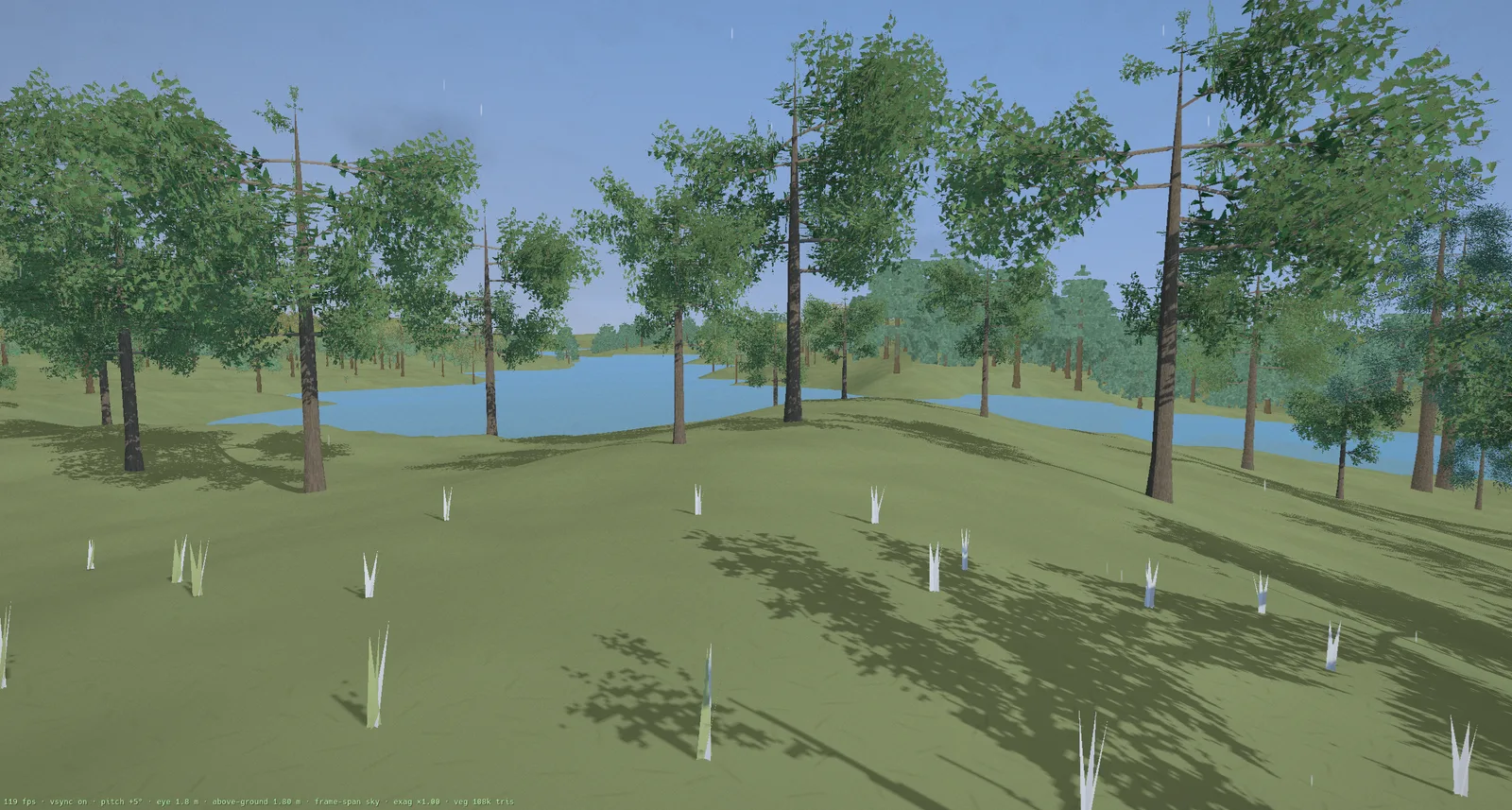
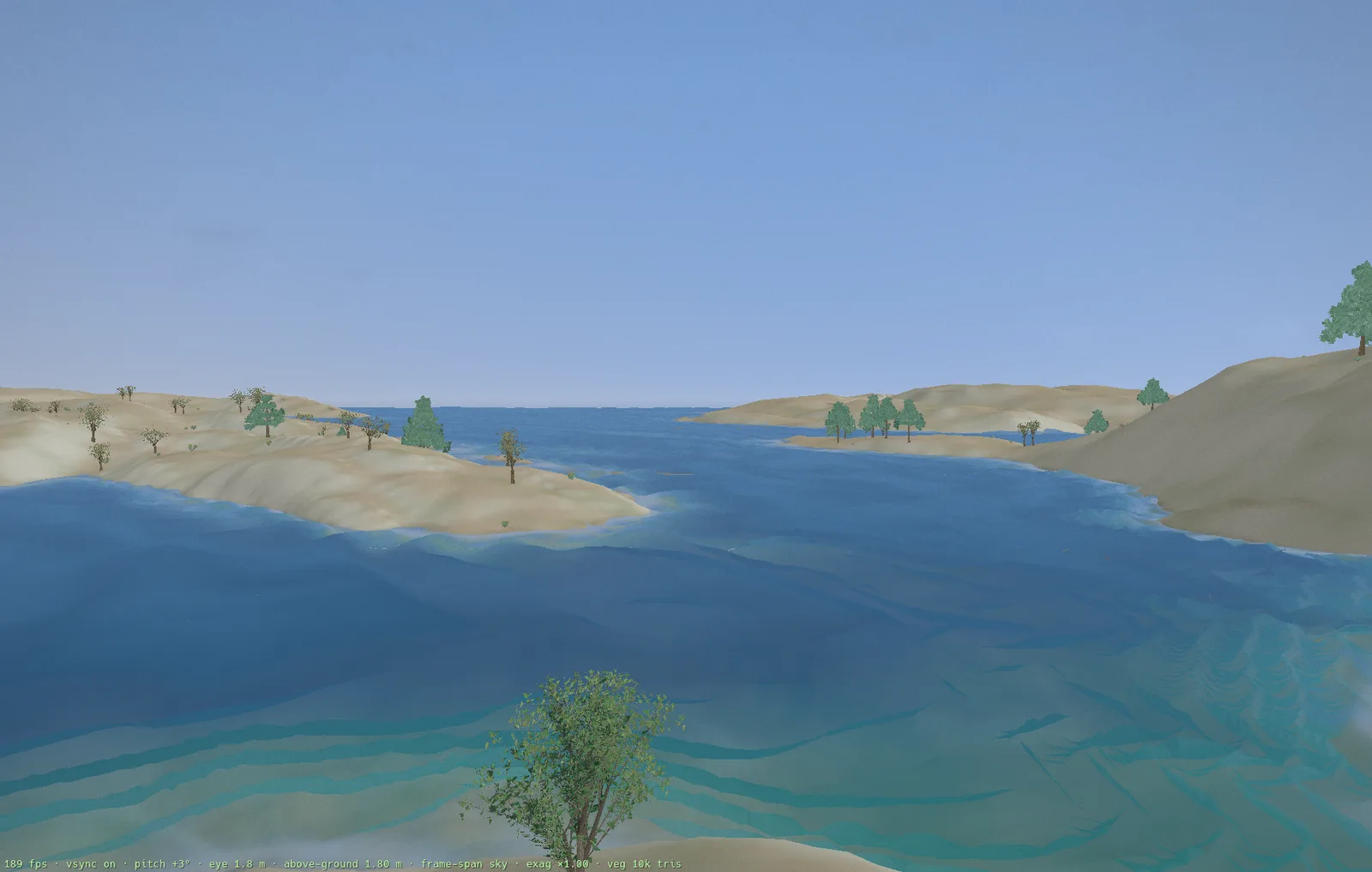
One zip: a generated planet, a first-person walk, and an MCP server your own AI can interrogate — no account, no network.
Get Hīkoi on GitHub → Explore Kano →What ships today
Two you can run now. One that isn’t ready.
All three came out of the grounding and enforcement experiments — transferred research, not a separate product line.
Ārai
Open-source enforcement for coding-agent rules
Your agent read the rules and did it anyway. Ārai enforces them before execution, whether the model remembered or not — in Claude Code, Grok Build and Codex, and at git commit for everything else.
Ships now — open source
Hīkoi
A first-person viewer and window into Kano worlds
An offline planet and an MCP server. Walk the world yourself, then let your AI query the same ground.
Download now
Kete
Organisation-level policy enforcement and audit
Ārai across a whole organisation, with an audit trail that survives the session and Pono as the ground under it.
Closed alpha — not taking signups
Everything else — research systems, instruments and demonstrations — is on the status map, honestly labelled.
The lab
Three people in Aotearoa New Zealand.
Independent, with no outside investors, building minds that have to run for a long time without drifting, hallucinating or failing between generations — the research says what the infrastructure around them must be. Questions are pre-registered before the run, and the record keeps every verdict, including the inconclusive ones.
The name is not metaphorical — a taniwha is shaped by the territory it inhabits, and so is a mind. The full account of the name →
Who
- Tim Marsden Tim-Marsden →
- James Marsden trollberry →
- Matt Collecutt mattcollie →